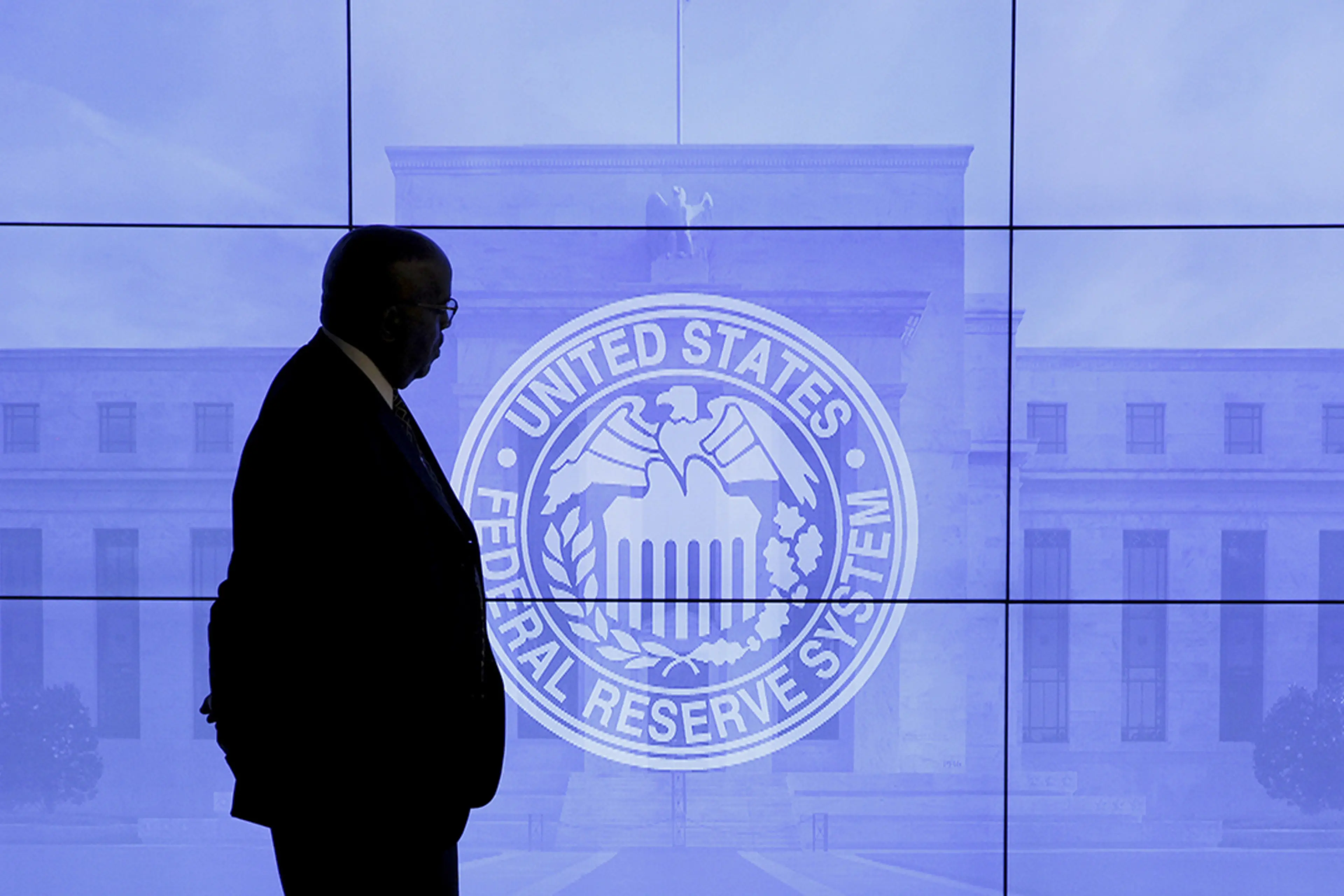
The U.S. Federal Reserve, also known as the Federal Reserve System or simply "the Fed," is the central bank of the United States. It was established by Congress in 1913 to provide the country with a more stable and flexible monetary and financial system.
The Federal Reserve System consists of three key entities: the Federal Reserve Board of Governors, the 12 Federal Reserve Banks, and the Federal Open Market Committee (FOMC).
The Federal Reserve Board of Governors is a seven-member board that oversees the entire Federal Reserve System. It sets monetary policy, supervises and regulates banks and other financial institutions, and promotes financial stability and the safety of the U.S. payment system.
The 12 Federal Reserve Banks serve as the operational arm of the Federal Reserve System. They provide financial services to banks and other financial institutions, supervise and regulate banks in their districts, and conduct research on the economy and financial markets.
The Federal Open Market Committee (FOMC) is the body responsible for setting U.S. monetary policy. It is made up of the seven members of the Federal Reserve Board of Governors and five of the 12 Federal Reserve Bank presidents, who rotate on an annual basis. The FOMC meets several times a year to discuss economic and financial conditions and decide whether to adjust the target range for the federal funds rate, which is the interest rate at which banks lend money to each other overnight.
The Federal Reserve plays a critical role in the U.S. economy, and its policies have a significant impact on financial markets and the broader economy. Its primary goals are to promote price stability, maximum employment, and financial stability in the United States.